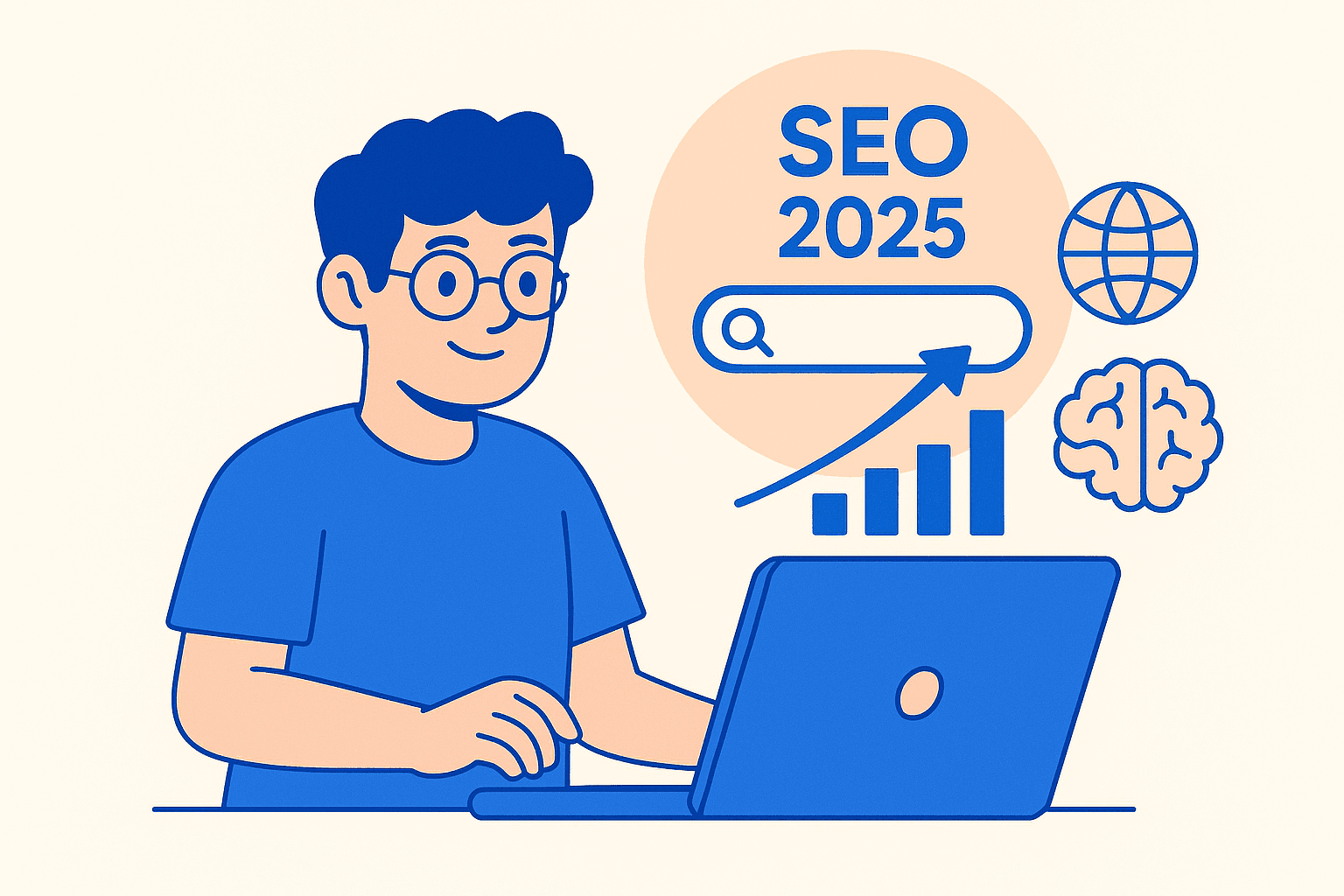
Search engine marketing is no longer just about bids, keywords, and landing pages. AI search, changing privacy rules, mobile behavior, and conversational queries are reshaping how people discover brands. This article looks at the practical shifts marketers need to pay attention to now.
"The rise of conversational search means adapting to longer, natural language queries, opening up new opportunities for marketers who embrace this shift."
AI search changes the discovery path
Search is no longer limited to a page of blue links. People compare products, ask follow-up questions, and get answers from AI search experiences before they ever reach a website. That does not make search engine marketing less important. It makes the connection between paid search, SEO, and content quality more visible.
For a deeper look at this shift, I wrote about how content changes from SEO to GEO and why AI systems often reward clear, well-structured pages.
Automation is useful, but it still needs direction
Automated bidding and machine learning can adjust campaigns faster than a person can. The useful work for marketers is not clicking every lever manually. It is setting the right goals, checking the quality of the data going in, and making sure automation is optimizing for outcomes that matter.
The same idea applies outside paid search. If the technical setup is weak, automation has less reliable information to work with. That is why a regular technical SEO audit still matters even when more of the workflow is assisted by AI.
Content has to be easier for both people and machines to parse
Search campaigns work better when landing pages answer the query clearly. AI search raises the bar here. Pages need specific headings, plain explanations, useful examples, and HTML that makes the main idea easy to extract. If a page hides the important answer behind heavy rendering or vague copy, it becomes harder to reuse or cite.
That is the point behind rendering for AI citations: boring, accessible HTML can be a strength when machines need to understand a page quickly.
Programmatic work needs quality control
AI makes it easier to scale page creation, keyword grouping, and content briefs. The risk is producing lots of thin pages that look different but say almost the same thing. Programmatic SEO only works when there is a real structure behind it: clear templates, useful data, search intent, and review before publishing.
I covered this in more detail in Programmatic SEO with AI, especially the balance between scale and control.
Mobile and conversational behavior still matter
Mobile-first pages, fast loading, readable layouts, and natural-language queries are still part of the job. Voice search and AI chat have made query patterns more conversational, but the underlying principle is familiar: understand what the person is trying to do, then make the next step obvious.
Privacy makes first-party data more important
As tracking becomes more limited, marketers need cleaner first-party data, better conversion setup, and more careful measurement. This does not mean chasing every metric. It means knowing which signals are reliable enough to guide budget, content, and landing-page decisions.
What I would focus on now
The future of search engine marketing is less about choosing one channel and more about connecting the pieces. Paid search can show demand quickly. SEO can build durable visibility. AI search changes how answers are discovered. Technical work makes the site easier to crawl, render, and trust.
The practical move is to build pages that are useful, measurable, and easy to understand. That gives campaigns a better landing page, gives search engines clearer signals, and gives AI systems a better chance of citing the right information.